A solar research legacy
Birthplace of PERC, invented by Martin Green and his team in 1983.

We develop ultra-thin, semitransparent solar films that turn building façades and everyday surfaces into places to generate electricity. Founded in 2026, Sydsol grows from UNSW’s legacy of photovoltaic research — from the invention of PERC to record-setting thin-film devices.
Meet the team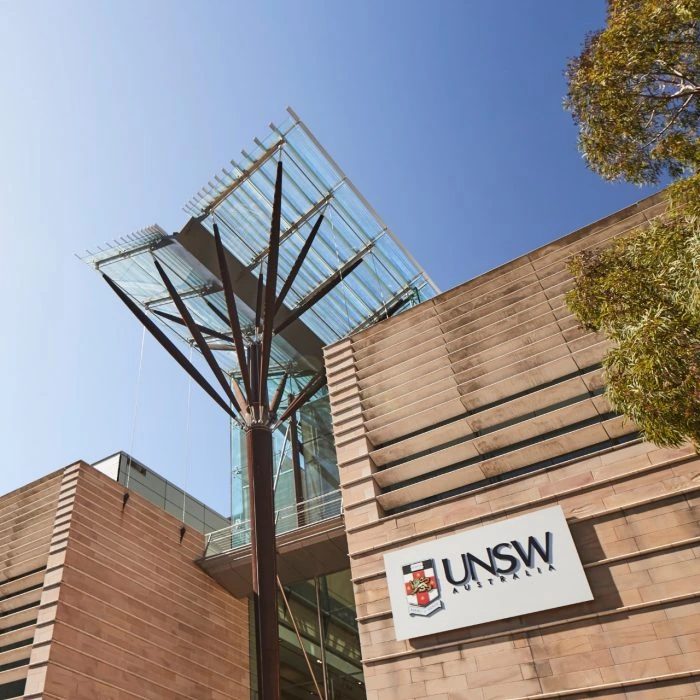
While pursuing his PhD at UNSW, Alireza was using quantum simulation to discover new perovskites for solar. There he met Chen, a postdoctoral researcher developing antimony chalcogenide devices whose work would set an efficiency record and be published in Nature Energy.
Their project, then called Sydney Solar, won the Trailblazer Award at the 2025 Peter Farrell Cup. The team took that as a signal to turn the research into a company.
Peter Farrell Cup · 2025 winners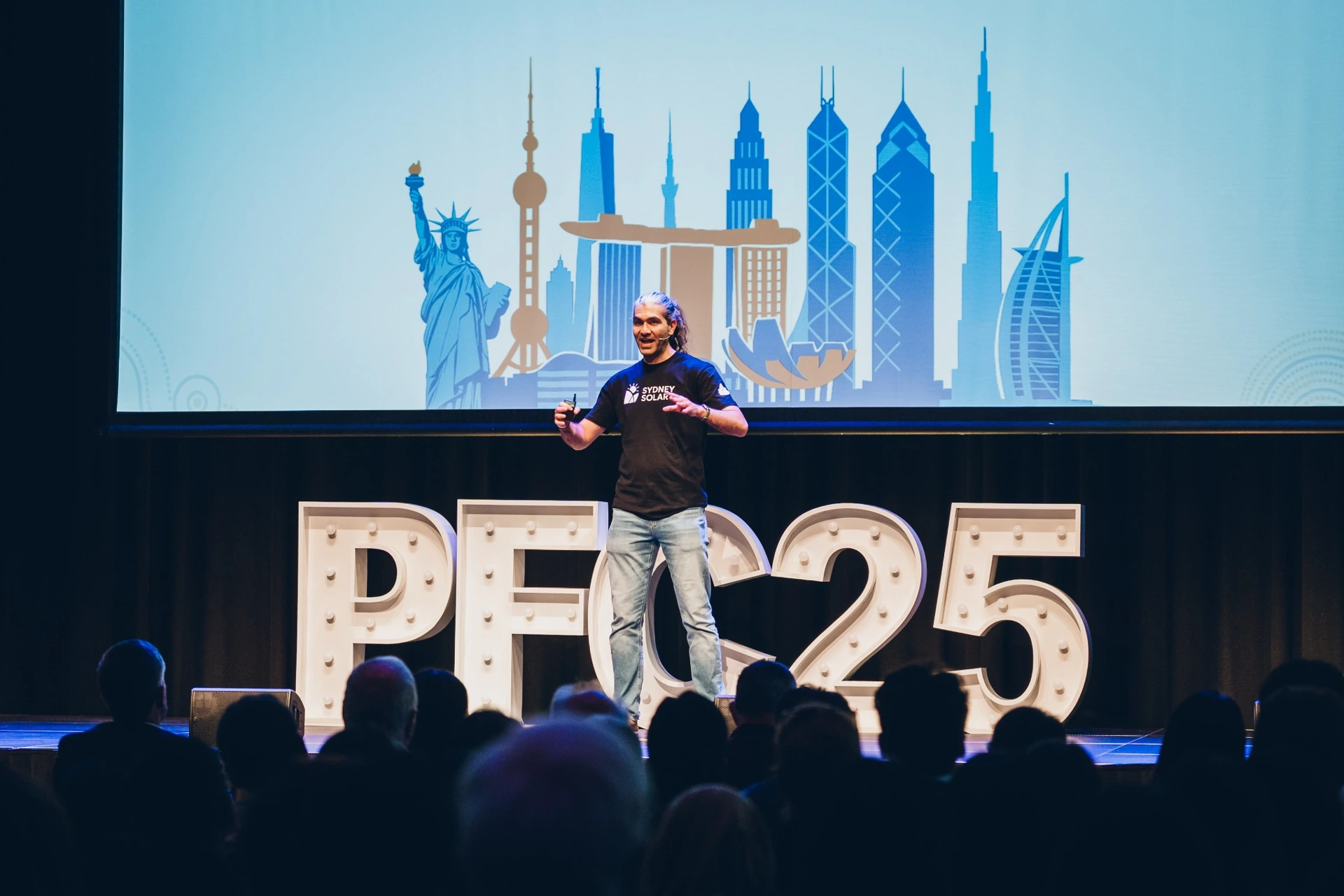
Birthplace of PERC, invented by Martin Green and his team in 1983.
Peter Farrell Cup · First Prize, Trailblazer Award.
Sydsol wins the MIT Climate & Energy Prize Asia-Pacific.
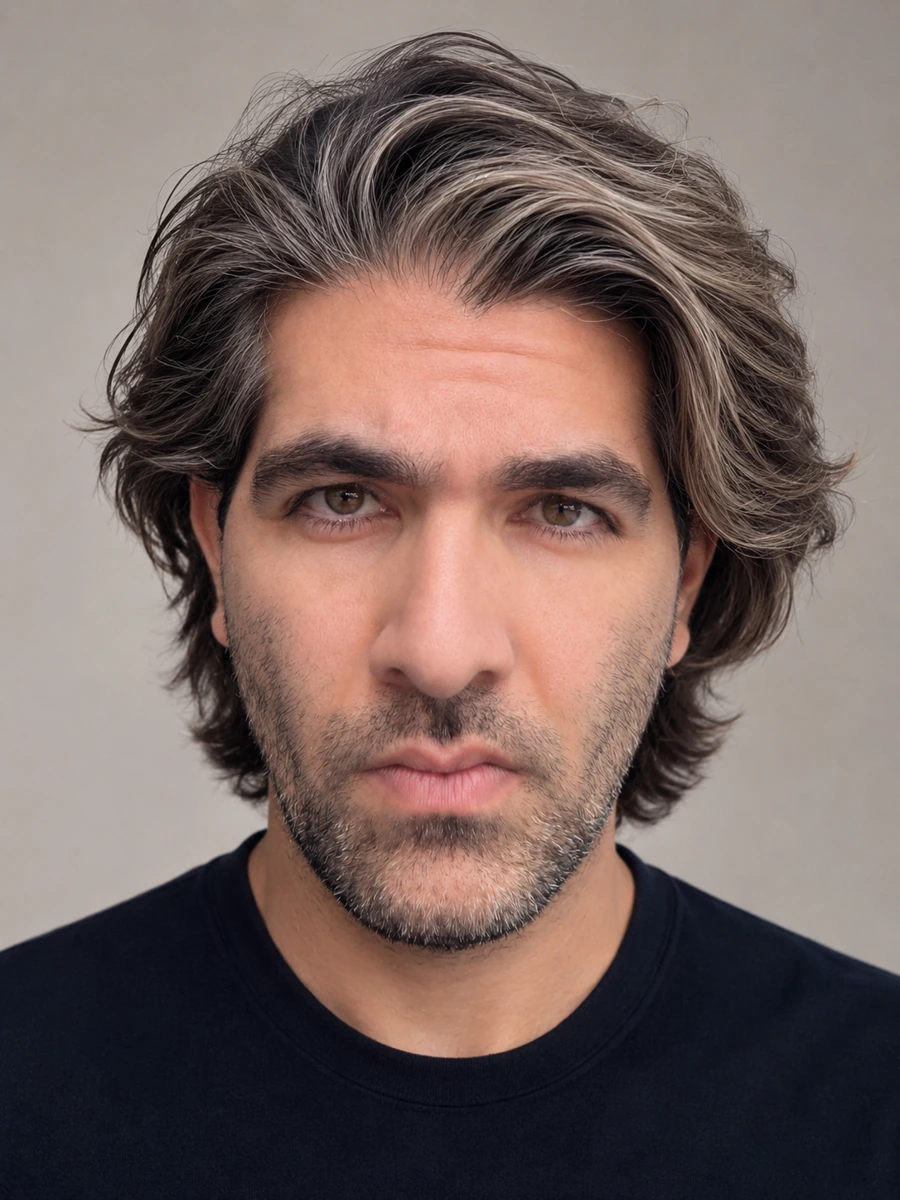
Materials scientist, three-time founder and entrepreneur with 12 years of startup experience. His UNSW PhD uses quantum simulation to discover new solar materials. At Sydsol, Alireza connects scientific discovery, product development and commercialisation.
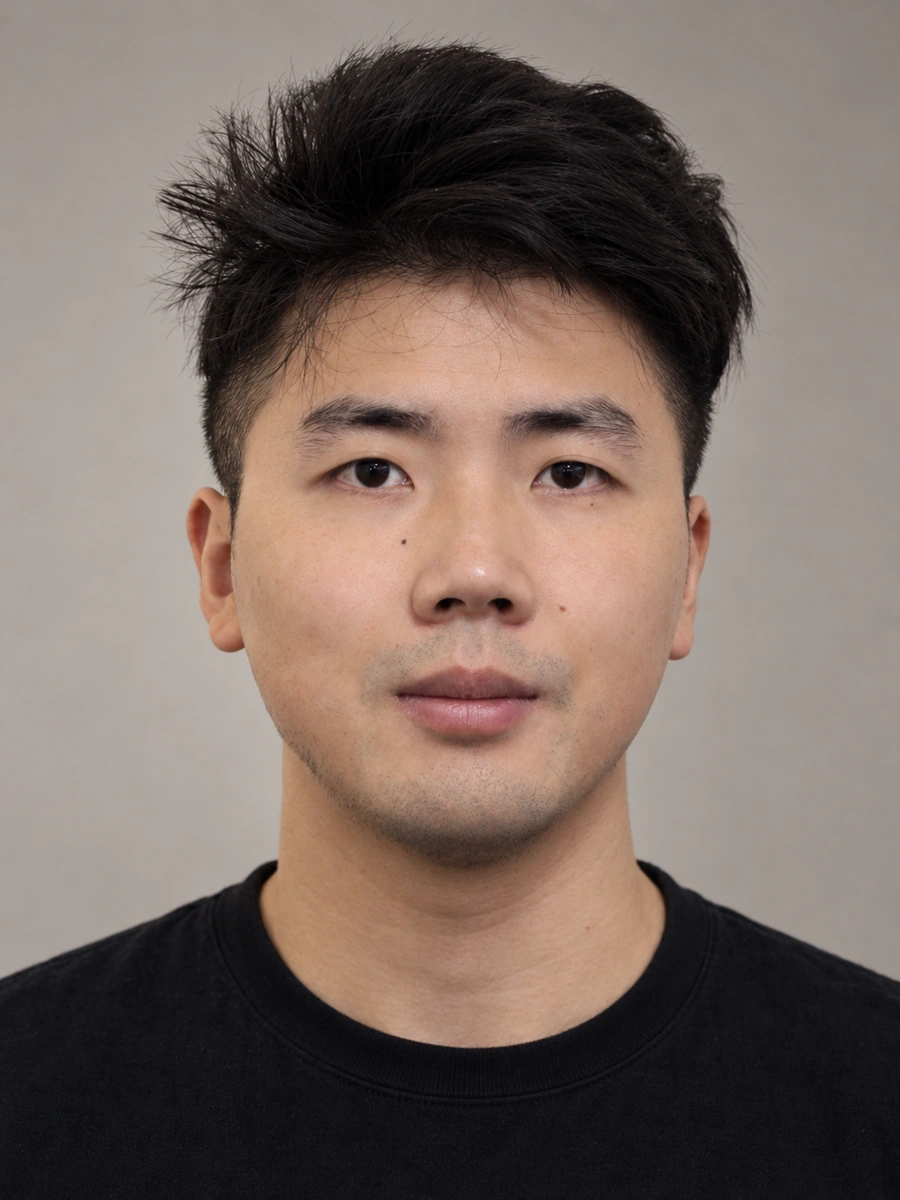
UNSW photovoltaic researcher, former LONGi engineer and inventor with more than eight years in solar R&D. Specialising in antimony chalcogenides, Chen led the Nature Energy work that achieved a record 11.02% laboratory efficiency, independently certified at 10.7%.
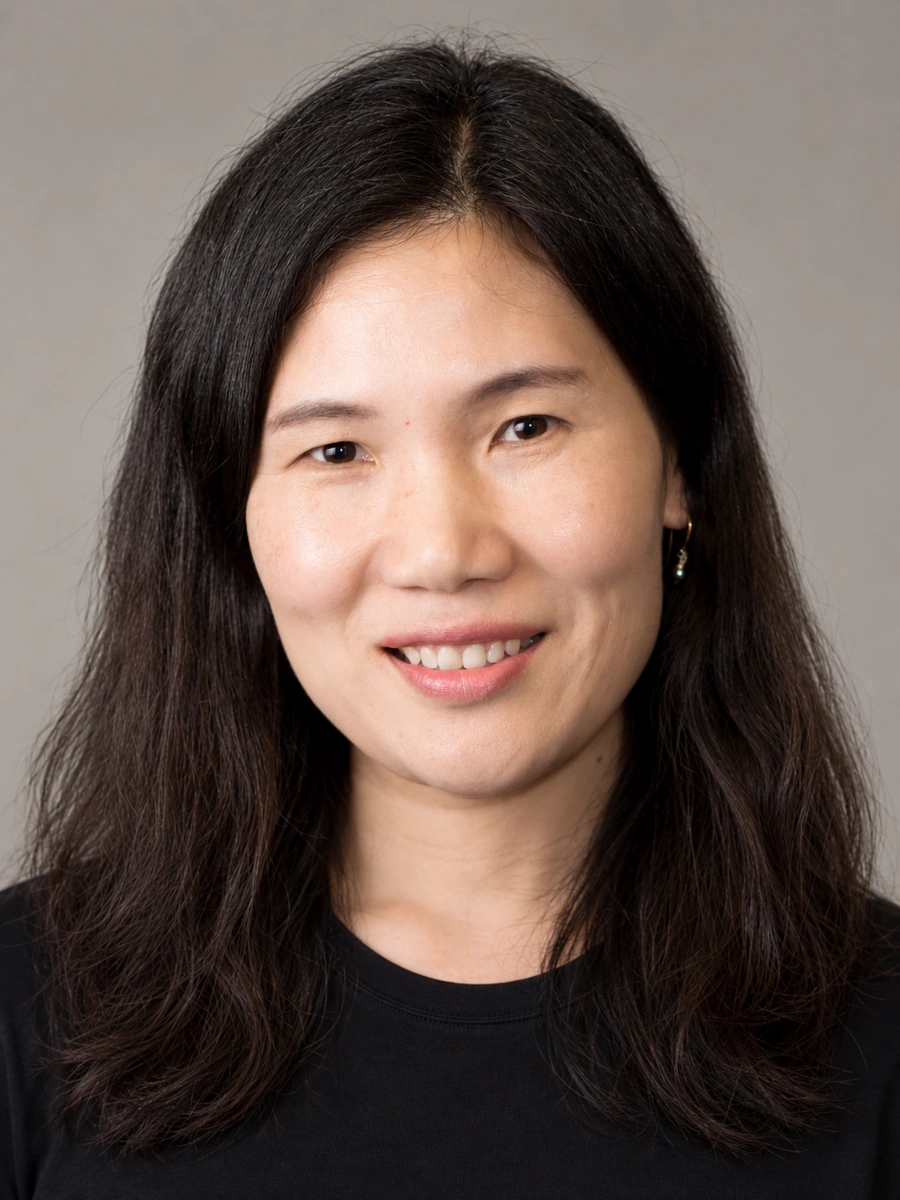
Scientia Professor, ARC Laureate Fellow and Fellow of the Australian Academy of Science and ATSE. Recipient of the 2020 Prime Minister’s Prize for Physical Scientist of the Year, Xiaojing leads internationally recognised thin-film solar research, with record-setting work.
Professor Hao’s lab and collaborators have advanced record-setting devices in CZTS, antimony chalcogenides and perovskites. These selected papers show the science behind that progress.
Chen Qian and colleagues’ record-setting research: 11.02% measured efficiency, 10.7% independently certified.
Read the paperProfessor Hao’s team advances cadmium-free, wide-bandgap CZTS with an 11.4% certified research cell.
Read the paperAn alkylthiol additive improves perovskite stability. A subsequent UNSW–Soochow collaboration set a 27% efficiency record in 2025.
Read the paperResearch-cell results describe laboratory devices, not commercial Sydsol product specifications.
Please rotate your phone
to portrait